
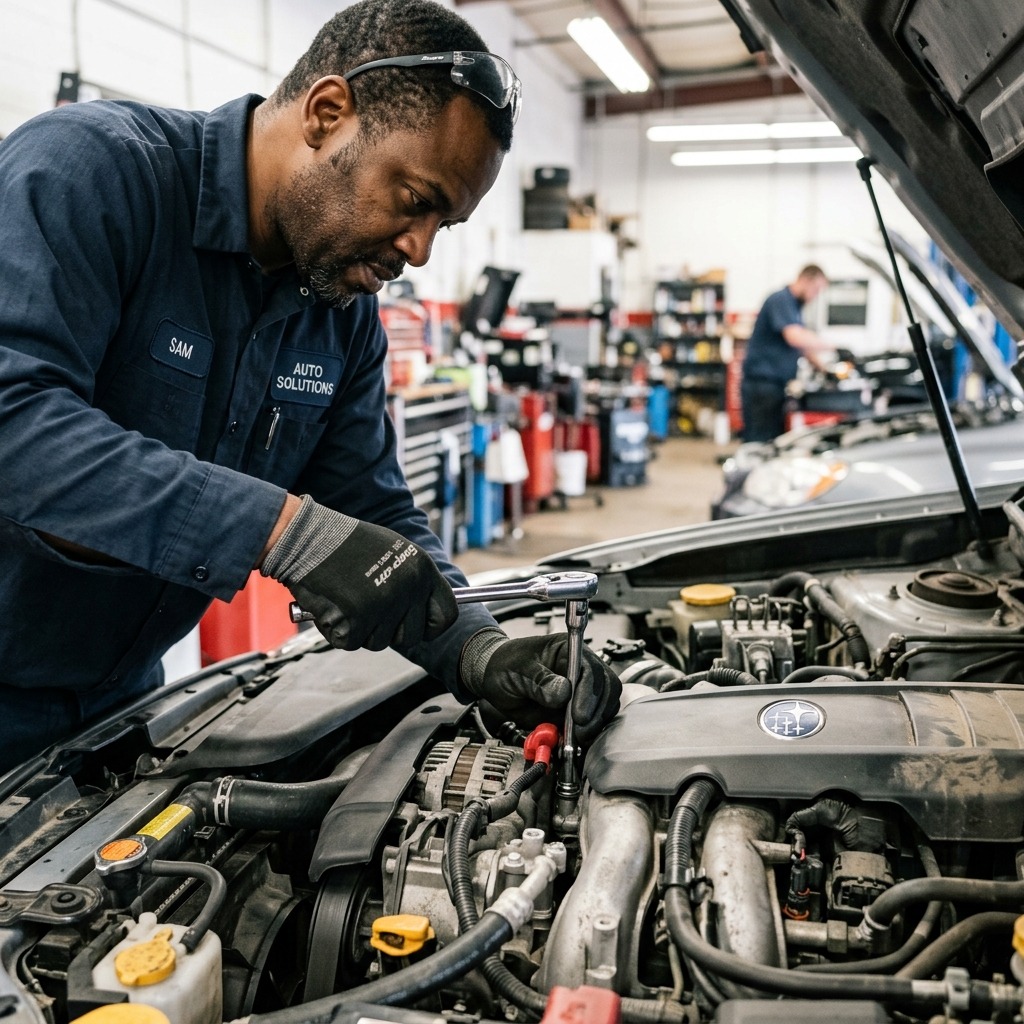
Ford's 1.0-litre EcoBoost engine, nicknamed the "Fox," is a three-cylinder engineering marvel that has powered millions of Fiestas, Focuses, and Transit Connects since 2012. It has won numerous Engine of the Year awards for its balance of performance and fuel efficiency. However, it harbors a critical design feature that every owner must understand: the Wet Timing Belt. This system requires highly specific maintenance, and ignoring it will lead to catastrophic engine failure.
What is a Wet Belt System?
In traditional engine designs, the timing belt runs dry outside the engine block, sealed behind a plastic cover. A wet timing belt, however, runs inside the engine block where it is continuously bathed in the engine oil. This design reduces friction by up to 30%, which lowers emissions and improves fuel economy. It also makes the engine run quieter. However, it places massive stress on the rubber belt, which is exposed to extreme engine heat, combustion by-products, and chemical additives in the oil.
Why Do They Fail?
The rubber compound of the wet belt is formulated to resist oil. However, it is highly sensitive to wrong oil grades or cheap additives. If the oil is not changed regularly, or if the wrong oil is used (such as standard synthetic oil instead of the specific Ford formulation), the chemicals in the oil begin to attack the belt's structure. The rubber swells, softens, and begins to crack and fray.
As the belt degrades, tiny rubber teeth and fibers flake off and drop directly into the engine's oil sump. The oil pump sucks up the oil through a mesh pickup strainer. These rubber fragments accumulate on the strainer, eventually clogging it completely. This restricts oil flow, causing oil pressure to drop. This starves the turbocharger, camshafts, and bearings of lubrication. Within miles, the turbocharger seizes, and the engine suffers complete internal failure, costing thousands to replace.
The K66 Motors Survival Plan
To prevent wet belt disasters, we recommend a strict preventative approach:
- Strict Oil Specification: You must only ever use engine oil matching Ford's exact WSS-M2C948-B specification (usually 5W-20). Using even slightly different oil will rapidly degrade the belt.
- Shorten Service Intervals: While Ford initially recommended oil changes every 10,000+ miles, we strongly advise changing the oil and filter every 6,000 to 8,000 miles or annually. Regular fresh oil removes abrasive soot and prevents chemical breakdown.
- Listen for Sump Pressure Warnings: If your oil pressure warning light flashes, turn off the engine immediately. Do not attempt to drive to a garage. Continued running will seize the engine within minutes.
- Early Replacement: Ford originally recommended replacing the wet belt at 10 years or 150,000 miles. Based on workshop experience, we recommend replacing the belt at 60,000 miles or 6 years.
Specialist Overhaul Services in Paisley
Replacing a wet belt is not a standard DIY job. It requires removing the engine front covers, sump, and oil pump assembly, and using specialized crankshaft alignment tools. At K66 Motors on McGowan Street, we perform complete wet belt replacements, dropping the sump to clean the oil pickup strainer, flushing the oil galleries, and installing new timing and oil pump belts to preserve engine life. Contact our Paisley workshop today for a wet belt inspection.